Can You Drive With A TPMS Warning Light On?
Modern vehicles aree equipped with several safety systems designed to protect drivers and passengers on the road. One of the most important of these systems is the Tyre Pressure Monitoring System (TPMS). This system constantly monitors the air pressure inside your tyres and alerts you if the pressure drops below the recommended level.
Many drivers notice the TPMS warning light on their dashboard but are unsure what it means or whether it is safe to continue driving. Ignoring this warning could lead to tyre damage, poor vehicle handling, or even a dangerous tyre blowout.
If you drive regularly through North London, where traffic congestion, potholes, and sudden braking are common, maintaining proper tyre pressure is extremely important. In this guide, we explain what the TPMS warning light means, whether it is safe to drive with it on, and when you should call a professional tyre service.
What Is TPMS?
TPMS stands for Tyre Pressure Monitoring System. It is an electronic system designed to monitor the air pressure inside your tyres and alert you when pressure becomes too low.
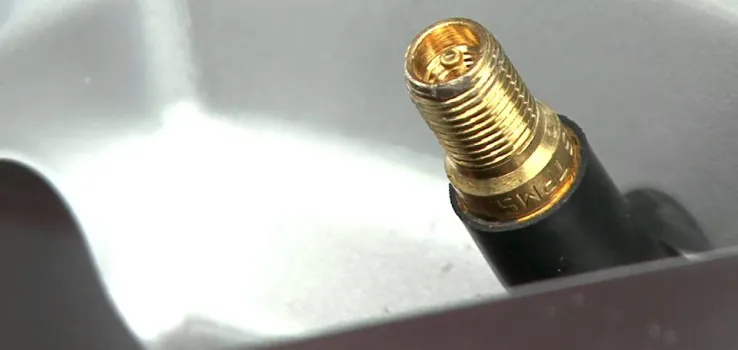
The system uses sensors installed inside each tyre that continuously send pressure data to your vehicle’s onboard computer. When tyre pressure drops below the recommended level, the system activates a warning light on the dashboard.
Many drivers search online for TPMS warning light meaning, TPMS repair near me, or mobile tyre fitting North London when this warning appears.
What Does The TPMS Warning Light Look Like?
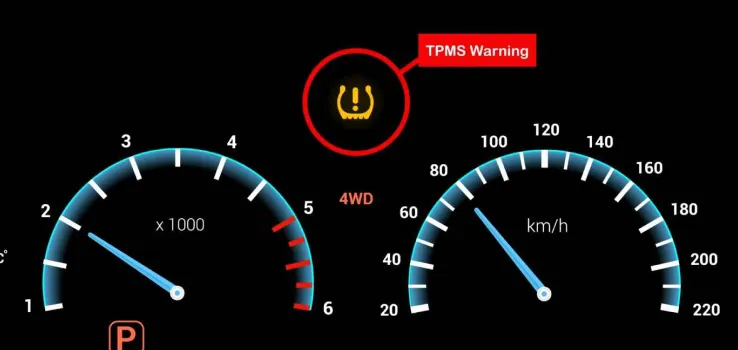
The TPMS warning light usually appears as a symbol that looks like a tyre cross-section with an exclamation mark inside it.
When this light appears on your dashboard, it means that one or more tyres may have incorrect air pressure.
In some vehicles, the system may also display the specific tyre pressure reading for each tyre.
Can You Drive With The TPMS Warning Light On?
Technically, it is possible to drive for a short distance when the TPMS warning light appears. However, it is not recommended to continue driving for long periods without checking the tyres.
Driving with incorrect tyre pressure can cause several problems, including reduced grip, poor braking performance, and uneven tyre wear.
If the warning light appears while driving, you should check your tyres as soon as it is safe to do so.
Drivers often search for mobile tyre repair near me or emergency tyre service North London when they experience a sudden tyre pressure issue.
Common Reasons The TPMS Warning Light Appears
1. Low Tyre Pressure
The most common reason is low tyre pressure.
Tyres can gradually lose air due to temperature changes, small punctures, or normal air leakage over time.
If tyre pressure drops below the recommended level, the TPMS system will activate the warning light.
2. Tyre Puncture
A sudden drop in tyre pressure may indicate a puncture caused by nails, screws, or road debris.
If this happens while driving, you should slow down and inspect the tyres as soon as possible.
Searching for puncture repair North London or mobile tyre fitting near me can help you get quick assistance.
3. Temperature Changes
Cold weather can reduce tyre pressure because air contracts at lower temperatures.
During winter months, drivers often notice the TPMS warning light turning on in the morning due to colder temperatures.
4. Faulty TPMS Sensor
Sometimes the TPMS warning light appears due to a faulty TPMS sensor rather than a tyre pressure problem.
TPMS sensors typically last between 5 and 10 years before the battery runs out or the sensor fails.
In such cases, the sensor may need replacement.
Risks Of Driving With Low Tyre Pressure
Reduced Road Grip
Underinflated tyres have less grip on the road, which increases the risk of losing control of the vehicle.
Increased Stopping Distance
Low tyre pressure affects braking performance and increases the distance required to stop the vehicle.
Uneven Tyre Wear
Driving with incorrect tyre pressure causes uneven wear patterns, which reduces tyre lifespan.
Higher Risk Of Tyre Blowouts
Low tyre pressure increases friction between the tyre and road surface, generating excessive heat.
This heat can weaken the tyre structure and increase the risk of a blowout.
What To Do If The TPMS Warning Light Comes On
- Reduce your speed and drive cautiously.
- Stop in a safe location and inspect your tyres.
- Check tyre pressure using a pressure gauge.
- Inflate tyres to the recommended pressure level.
If the warning light remains on after inflating the tyres, there may be a puncture or a faulty TPMS sensor.
In such cases, professional tyre inspection is recommended.
Why Mobile Tyre Services Are a Convenient Solution
If your TPMS warning light appears due to a puncture or tyre pressure issue, driving to a garage may not always be safe.
Mobile tyre services provide a convenient solution by sending a technician directly to your location.
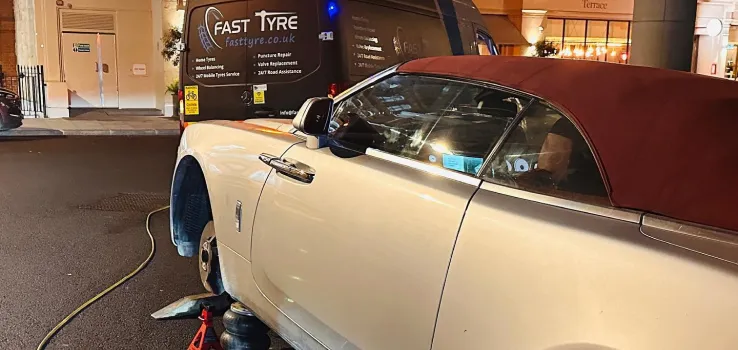
Mobile technicians can repair punctures, replace tyres, and fix TPMS sensors at your home, workplace, or roadside location.
Fast Tyre – Mobile Tyre Fitting in North London
At Fast Tyre, we specialise in mobile tyre fitting in North London, helping drivers resolve tyre problems quickly and safely.
Because we do not operate a physical garage, our service is fully mobile and designed to reach customers wherever they are.
Our Mobile Tyre Services
- Mobile Tyres Fitting
- Puncture Repair
- Wheel Balancing
- Tyres Swap
- Valves Replacement
- TPMS Replacement
- 24HR Emergency Call Out
Contact Fast Tyre – 24 Hour Mobile Tyre Service
If your vehicle shows a TPMS warning light, it is important to check your tyres immediately to prevent further damage and ensure safe driving.
Fast Tyre provides 24 hour mobile tyre fitting, TPMS replacement, and emergency tyre repair in North London.
Fast Tyre
Sydney Road, Muswell Hill, London
Phone: 07717389637 / 07366 744494
Email: info@fasttyre.co.uk
Website: www.fasttyre.co.uk
Opening Hours: 24 Hours – 7 Days a Week
Recent Blogs