
Tyres in Reading
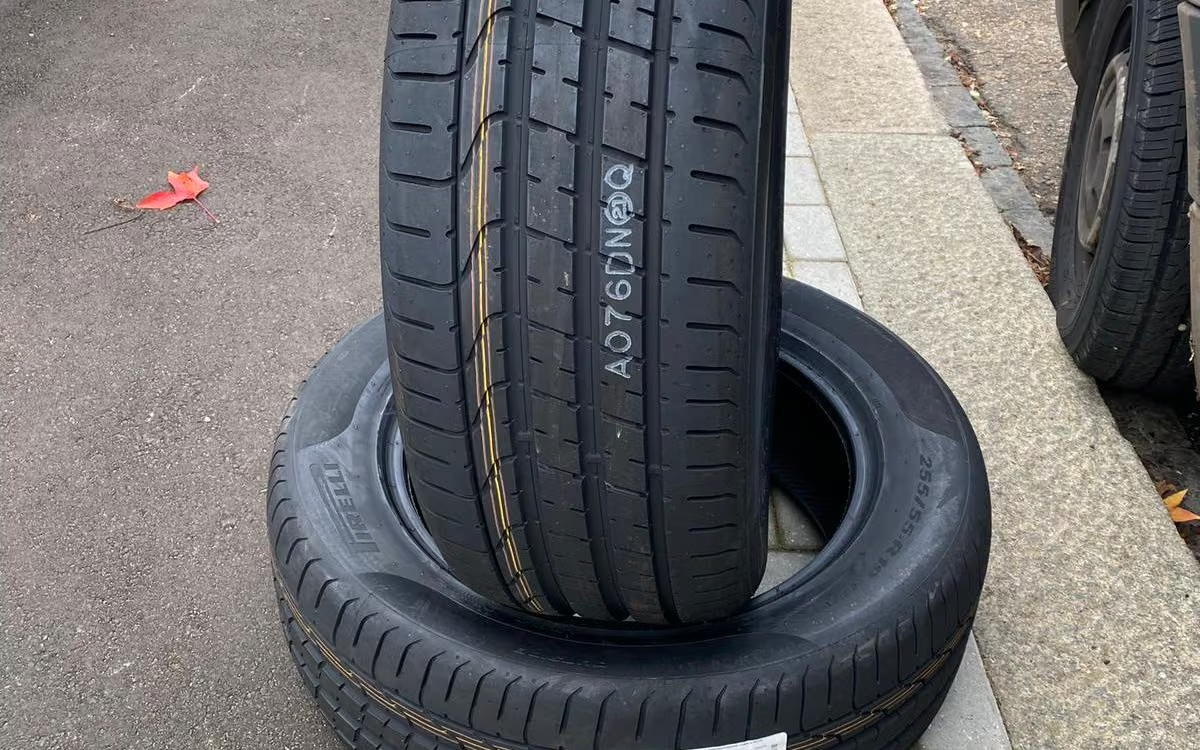
Aquaplaning is a plumbing problem. Water sitting on the road has to go somewhere in the fraction of a second the tyre is on top of it, and the only route is the grooves.
Mobile tyre replacement across Reading
That is not an abstract risk on the M4 or the A33 in heavy rain, where speed and standing water arrive together. If you are choosing tyres, the things that matter are groove volume and how the pattern moves water sideways off the tread, which is what wide circumferential channels and angled lateral grooves are for. It is also why tread depth matters far more in the wet than the legal minimum suggests. We will measure what you have, explain what the pattern is doing, and fit at your address in Caversham, Woodley or wherever the car sits.
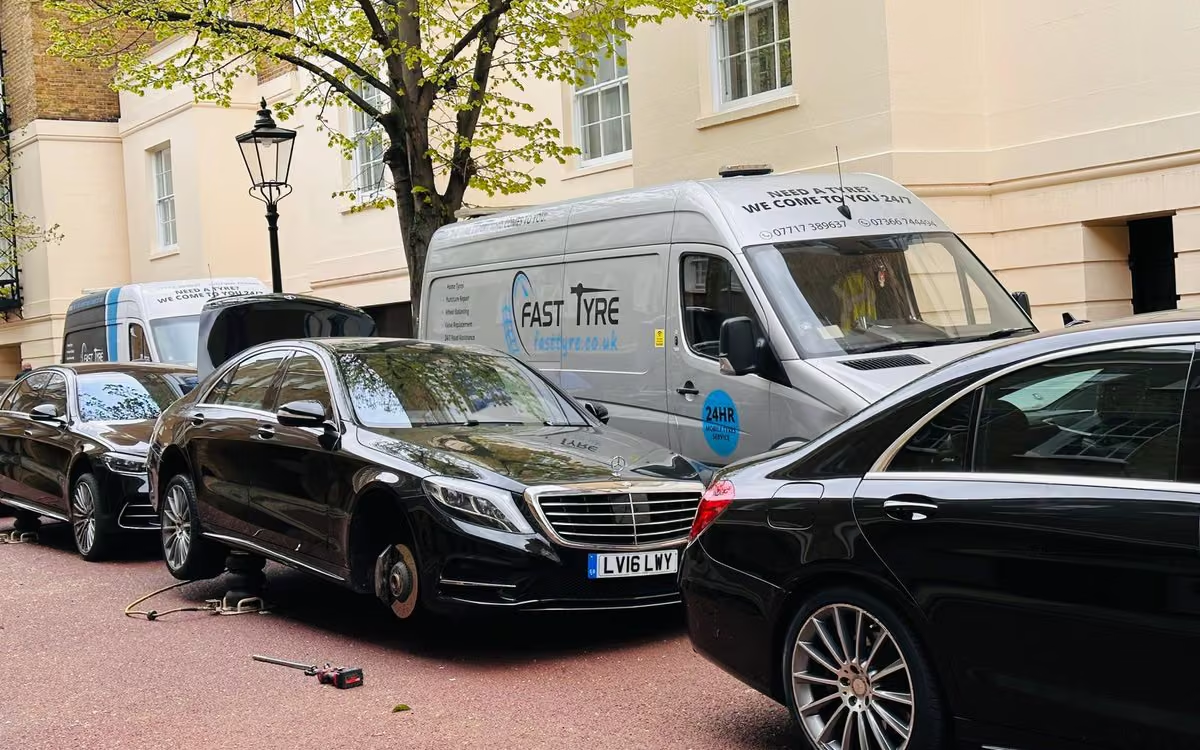
Across Berkshire, most of the tyre fitting we do happens on a driveway or in a work car park rather than on a ramp. It saves the queue, and it saves the bit that matters more, which is driving on a tyre you already know is finished on a road like the A329(M). Which street in Woodley, which way the car sits in Whitley, and we are set. Boxed in on a Lower Earley terrace or wide open in Caversham, say which on the phone.
What you get with our tyre replacement in Reading
- Berkshire drivers pick the tier; premium, mid-range or budget, and we fit it
- Balanced on site, in Earley or Tilehurst or wherever the car sits
- Pressures set to manufacturer spec before you pull back onto the A4
- Old tyres removed from your Reading address and recycled responsibly
- The van carries sizes for cars, SUVs and 4x4s
- Pay by card or contactless when the job is done
Tyre replacement in Reading is part of our wider mobile tyre fitting across London and the home counties cover. For tyre replacement in Reading, call 07717 389637 or ask us for a quote.
Local knowledge across Reading
Reading's road network puts a lot of traffic at speed on the A33 and the M4 corridor, and those are exactly the roads where heavy rain produces standing water in the nearside lane. That combination makes tread depth and groove design more than a technicality here. Measuring at the car, on the drive, gives you real numbers before the winter rather than after a fright.
Tyres call-outs we handle in Reading
Weightless steering in heavy rain
A driver on the M4 described the wheel going light in standing water. The fronts measured two and a half millimetres. Not illegal, and with nowhere near enough groove volume left to shift that much water.
Pattern with poor lateral clearance
A car in Tilehurst had a tyre designed for dry grip with minimal lateral grooving. Fine in summer, unhappy on a wet A33 at speed.
Replaced before the winter
A vehicle in Lower Earley measured just over three millimetres in October and was changed then rather than in February, which is the whole point.
What Reading drivers say about our tyre replacement
★★★★★ 4.9 · based on 155 Google reviews
Said is a very competent and courteous professional. Have used him several times with different challenges and never been disappointed.
Google review
Excellent service, extraordinary job. Amazing man helped me at night. Recommend to everyone.
Google review
Was stuck on a Sunday and needed a new tyre. Very quick response and friendly, helpful fix.
Google review
Tyres in Reading, FAQs
Water that cannot escape through the tread grooves fast enough. The tyre then rides up on a film of water and loses contact with the road, at which point steering and braking do very little.
Enormously in the wet. Groove volume falls away with depth, so a tyre at three millimetres shifts far less water than the same tyre new, and at the legal limit it shifts almost none.
One with wide circumferential grooves to carry water back and clear lateral channels to push it sideways. The wet grip grade on the label is the quickest way to compare.
Yes. We come to the address, work beside the car, and take the old tyres away when we go.
Tyres in Reading, 24/7
Prefer a callback? Send your details for a tyre replacement price in Reading.