
Key takeaways
- Check all four tyres plus the spare for tread, pressure and visible damage before any long journey.
- The UK legal minimum tread is 1.6mm, but the AA and tyre bodies advise replacing around 3mm for better wet grip.
- Set pressures to the loaded figure in your handbook when carrying passengers and luggage, not the standard figure.
- Look for cuts, bulges and embedded objects, and check the spare or repair kit is present and usable before you set off.
A long drive or a holiday road trip puts more strain on your tyres than a quick trip to the shops: high speeds, heavy loads, hot motorways and many hours on the road. A five-minute check the day before can be the difference between an easy journey and a stressful, dangerous breakdown far from home. Here is a simple checklist covering everything that matters before you set off.
What should you check on your tyres before a long drive?
Check four things on all four tyres, plus the spare: tread depth, pressure, overall condition and age. These cover the faults most likely to cause a breakdown or accident on a long trip. Do the checks the day before, when tyres are cold, so you have time to fix anything before you leave rather than scrambling on the day.
- Tread, legal and adequate depth across all four.
- Pressure, set correctly for a loaded car.
- Condition, no cuts, bulges, cracks or embedded objects.
- Spare or kit, present, inflated and usable.
How do you check tread depth quickly?
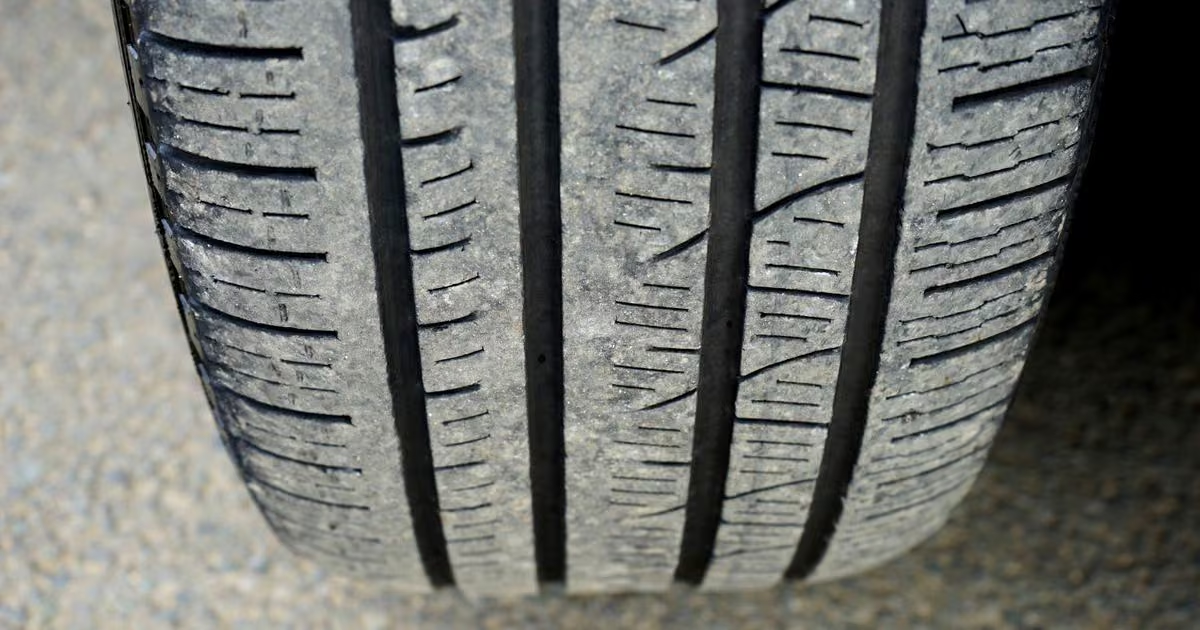
The legal minimum in the UK is 1.6mm across the central three-quarters of the tyre, all the way around. The quickest home check is the 20p test: insert a 20p coin into the main grooves, and if the outer band of the coin is hidden, your tread is likely above the limit. If you can see the band, get the tyre checked before a long trip.
For a long, fast motorway journey in summer or winter, the extra wet-grip margin of more tread matters. The AA and tyre-safety bodies suggest replacing at around 3mm rather than waiting for 1.6mm. Our full guide on checking tyre tread depth walks through it step by step.
What pressure should tyres be for a loaded car?
For a long trip with passengers and luggage, use the higher loaded pressure figure from your handbook or door-pillar placard, not the standard figure for light use. Under-inflated tyres flex and overheat, raising the risk of a blowout, and they wear faster and use more fuel, all of which matter most on a heavily loaded long drive.
Our guide on how to check and set tyre pressure explains where to find the figures and how to read them correctly.
What damage should you look for before setting off?
Walk around the car and inspect each tyre closely for anything that could fail under sustained high-speed use. Catching a bulge or deep cut before you leave is far better than discovering it at 70mph on a motorway. Run your hand and eye over the tread and both sidewalls.
| What you see | What it means | Action |
|---|---|---|
| Bulge in the sidewall | Internal damage, blowout risk | Replace before travelling |
| Cuts or cracks | Ageing or impact damage | Have it inspected |
| Nail or screw embedded | Possible slow puncture | Get it checked or repaired |
| Uneven wear | Pressure or alignment issue | Investigate before a long trip |
If you spot a bulge or deep cut, do not risk the journey. See the signs your tyres need replacing for what is and is not safe to drive on.
Do not forget the spare and the kit
The spare is the one tyre everyone overlooks, yet it is the one you will need if things go wrong. Check that your spare or space-saver is present, correctly inflated and not perished, or that your sealant and inflator kit is in date and complete. A flat or missing spare is no use at the side of a motorway.
Knowing what is in your boot matters too. Our guide on spare tyre vs space-saver explains the limits of each, so you know how far and how fast you could safely travel on it if needed.
What else affects tyre safety on a long trip?
Beyond the four core checks, a few habits make a long drive safer for your tyres. Heat and load are the main extra stresses on a motorway run in summer, so avoid overloading the car beyond its rated weight, take regular breaks to let everything cool, and resist the urge to over-inflate beyond the handbook figures, which reduces grip.
Speed and road surface matter too. Sustained high speeds build heat in the tyres, and the risk rises sharply if they are already under-inflated or worn, which is exactly why pre-trip checks pay off. If you are towing a caravan or trailer, check those tyres as well, including their age and pressures, as trailer tyres often sit unused for long periods and can perish.
- Do not overload, stay within the car's rated weight and adjust pressures for the load.
- Take breaks, let tyres cool on long, hot motorway runs.
- Check trailer tyres, age and pressure matter on rarely used caravans and trailers.
- Mind hot pressures, never let air out of a hot tyre to hit a cold target.
Peace of mind before you travel
If a pre-trip check turns up a worn, damaged or ageing tyre, there is no need to delay your plans or risk the drive to a garage. Fast Tyre will come to your home or workplace across London and central England and fit new tyres before you leave, usually within 30 to 60 minutes. Book a quick mobile tyre fitting visit the day before you travel and set off with confidence.
Frequently asked questions
Ideally the day before, while the tyres are cold and you still have time to fix any problems. Checking on the morning of departure leaves no margin to repair a fault or replace a tyre, and warm tyres give misleading pressure readings.
If you are carrying a full load of passengers and luggage, yes, use the higher loaded pressure from your handbook. For normal light loads the standard figure is fine. Always set pressures cold and check the spare as well as the four road tyres.
It is the legal minimum, but for a long, fast trip more tread is safer. Wet grip and braking fall off below about 3mm, so the AA and tyre bodies suggest replacing around 3mm. If your tyres are close to the limit, replace before travelling.
Carry a working spare or sealant kit, a tyre pressure gauge and ideally a 12V inflator. A warning triangle and hi-vis vest are sensible too, and essential if you are driving abroad. Check everything is present and usable before you leave.
You can, but the tyres will be warm from driving there, so pressure readings run high. It is better to check at home when cold. If you must use a forecourt, allow for the warm reading and prioritise spotting damage and low tread.